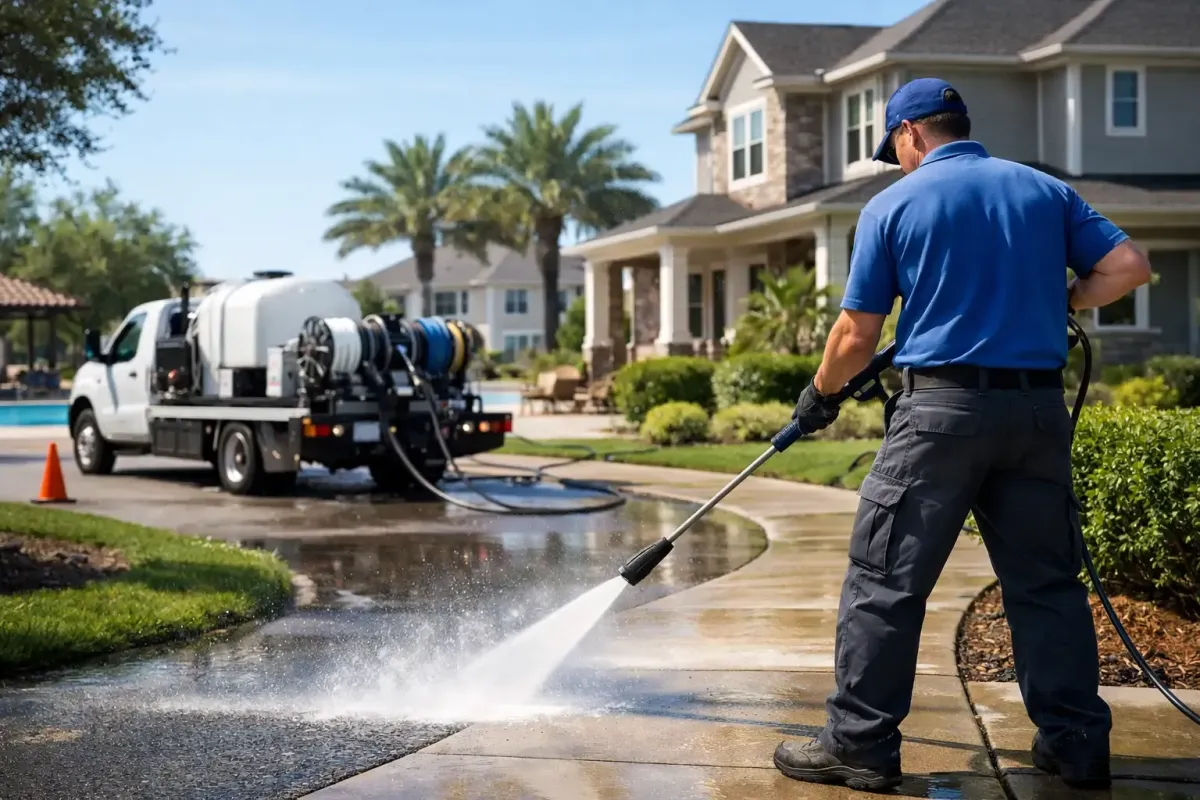
HOA Pressure Washing Services That Protect Value
A stained entry monument, slippery pool deck, and algae-darkened sidewalks can make an entire community feel neglected - even when the homes themselves are well kept. That is why hoa pressure washing services matter more than many boards and property managers expect. Clean common areas do more than improve appearance. They support safety, protect surfaces, and show residents that the community is being maintained with care.
For HOAs across Greater Los Angeles, exterior cleaning is rarely a one-size-fits-all job. Different materials, traffic levels, shade patterns, and water runoff all affect how quickly surfaces get dirty and how they should be cleaned. The right provider understands those variables and uses the proper method for each area instead of blasting everything at full pressure.
Why HOA pressure washing services matter
In an HOA community, the condition of shared spaces shapes first impressions fast. Residents see it every day. Prospective buyers notice it during a tour. Vendors, guests, and tenants notice it before they ever step inside a property. When walkways, curbs, walls, dumpster pads, and clubhouse exteriors are covered in grime, the whole neighborhood can look older and less cared for than it really is.
There is also a practical side. Mold, mildew, algae, oil spots, and embedded dirt are not just cosmetic. They can make concrete slick, stain surfaces permanently, and accelerate wear over time. Regular cleaning helps prevent that buildup from turning into a bigger maintenance problem. For boards trying to protect budgets, that matters.
Good HOA maintenance is about consistency. Pressure washing supports that by keeping visible surfaces under control before they become an eyesore or a liability.
What HOA communities usually need cleaned
Most communities have more washable surfaces than people realize. Sidewalks and curbs are obvious, but they are only the start. Entryways, monument signs, stucco walls, pool decks, dumpster enclosures, mail kiosk areas, breezeways, parking garages, loading zones, patios, and clubhouse exteriors all collect dirt and organic growth over time.
In Southern California, sun and dry weather can make some buildup less noticeable at first. Then irrigation overspray, shaded corners, tree debris, and vehicle traffic leave uneven staining that stands out fast. Communities with mature landscaping often deal with green growth on hardscapes. Properties with heavy foot traffic may see darkened walkways and gum buildup. Areas near parking can develop oil and rust stains that need extra attention.
A qualified contractor should walk the property, identify the surface types, and recommend a cleaning plan based on actual conditions. That is more effective than treating every area the same.
Pressure washing vs soft washing for HOA properties
This is where experience matters. Not every exterior surface should be cleaned with high pressure.Concrete sidewalksand some hardscape areas can often handle stronger washing. Painted surfaces, stucco, siding, fences, and certain exterior finishes may requiresoft washinginstead.
Soft washing uses lower pressure with cleaning solutions designed to break down organic growth, dirt, and staining without damaging the surface. It is often the better choice for delicate materials or areas where high pressure could leave marks, force water behind surfaces, or strip finishes.
For HOA pressure washing services, the best approach is surface-specific cleaning. That means choosing the right method for each part of the property. It protects the materials, delivers better results, and reduces the risk of costly damage. A dependable contractor should be able to explain why one area needs pressure washing while another should be soft washed.
What boards and property managers should expect from a provider
Responsiveness matters just as much as cleaning quality. HOA boards and property managers are not looking for guesswork or vague scheduling. They need a company that can assess the property clearly, quote it quickly, communicate the scope of work, and show up when promised.
Licensed and insured service is a basic requirement, not a bonus. Shared community spaces carry risk, especially around resident traffic, parked vehicles, and common amenities. A professional contractor should operate with clear safety practices, proper equipment, and a process that minimizes disruption.
It also helps when the company understands how HOA decision-making works. Some boards need proposals for approval meetings. Some managers need recurring maintenance plans. Others need urgent cleanup ahead of inspections, resident events, or listing activity. Flexibility and communication are part of the service.
Scheduling HOA pressure washing services the smart way
Frequency depends on the community. A smaller HOA with limited common areas may only need major cleaning once or twice a year, with spot service in between. A larger property with heavy traffic, trees, shared amenities, and visible entry features may benefit from more regular maintenance.
The smartest schedule is based on use, exposure, and appearance standards. Pool decks, entryways, and sidewalks often need attention more frequently because they are highly visible and safety-sensitive. Dumpster areas and loading zones may need targeted service due to odor, spills, and staining. Monument signs and clubhouse exteriors should be cleaned before grime becomes embedded and harder to remove.
Seasonal planning helps. Many HOAs schedule service before summer amenity use ramps up, before board inspections, or ahead of community events. Others build recurring exterior cleaning into their annual maintenance calendar so they are not reacting to problems after residents complain.
The cost question boards always ask
Price matters, but low bids can create bigger issues later. If a provider underestimates the job, uses the wrong method, or skips detail work, the property may still look dirty after service or end up with surface damage that costs more to fix.
The better question is what the proposal includes. Does it cover all agreed areas? Are stain treatments included where needed? Is the cleaning method appropriate for each surface? Is water access planned? Will the company work around resident traffic and communicate clearly about timing?
A solid quote should feel clear and professional, not rushed. For HOA communities, value comes from dependable execution, visible results, and fewer headaches for the board or manager.
Common mistakes to avoid
The biggest mistake is waiting too long. Once algae, mildew, and staining have been left in place for months or years, restoration gets harder. Routine service is usually more affordable and more effective than trying to reverse severe buildup.
Another mistake is hiring based only on equipment claims. Bigger machines do not guarantee better cleaning. Inexperienced technicians can etch concrete, scar wood, damage paint, or force water into places it should not go. Exterior cleaning should be precise, not aggressive for the sake of it.
It is also a mistake to treat HOA cleaning like a basic residentialdriveway job. Community properties require planning, professionalism, and the ability to work safely in shared spaces with residents nearby.
Choosing a local company for HOA pressure washing services
A local provider brings practical advantages. They understand the climate, common surface issues, and the expectations of communities in areas like Pasadena, Arcadia, Glendale, Burbank, and San Marino. They can also respond faster when a board needs a quote, a touch-up, or recurring service that stays on schedule.
More importantly, local companies live on reputation. They know that trust is earned through communication, follow-through, and results that hold up after the job is done. For HOAs, that reliability matters. A contractor who is easy to reach and accountable makes property maintenance a lot less stressful.
That is the standard companies like Whales Pressure Washing aim to meet - premium results, safe cleaning methods, clear communication, and a straightforward process from estimate to final walkthrough.
A cleaner community sends the right message
Residents notice when common areas look fresh, bright, and cared for. Buyers notice it too. So do tenants, guests, and vendors. Clean surfaces send a simple message that the property is managed well and maintained with pride.
If your HOA is dealing with stained sidewalks, slippery concrete, dirty pool areas, or buildup around high-visibility spaces, the right cleaning plan can make a real difference without turning the process into a hassle. A professional evaluation, the right method for each surface, and dependable service go a long way toward keeping the whole community looking like it should.
