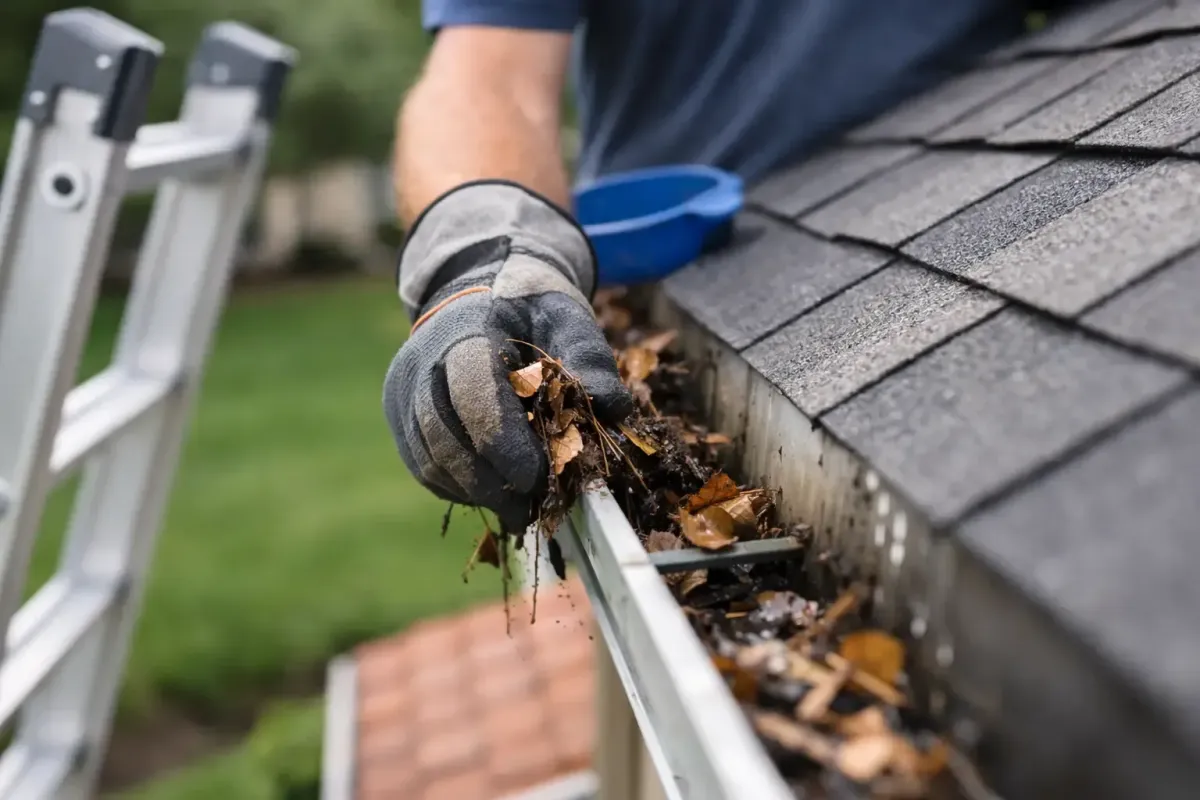
How Often Should Gutters Be Cleaned?
One heavy rain is all it takes to turn a small gutter problem into stained siding, roof edge damage, and water pooling where it should never be. If you are wondering how often should gutters be cleaned, the short answer is at least twice a year for most properties. The better answer depends on your roofline, nearby trees, local weather, and how quickly debris builds up around your home or building.
In the Greater Los Angeles Area, gutters do not always get the same attention they would in colder, wetter climates. That is exactly why they get overlooked. Long dry stretches can make it easy to assume everything is fine, but leaves, seed pods, dust, and roof grit still collect over time. Then when rain finally comes, clogged gutters can overflow fast.
How Often Should Gutters Be Cleaned for Most Properties?
For most homes, a twice-yearly schedule is the safe baseline. One cleaning in late spring or early summer clears out spring buildup, and another in the fall prepares the system for rain season. That schedule works well for many properties because it keeps debris from compacting, helps downspouts flow properly, and reduces the chance of hidden backups.
That said, twice a year is not a rule for every building. Some homes need service three or even four times a year, especially if they sit under mature trees or have roof valleys that funnel debris into the same sections. Commercial properties can also need more frequent cleaning if appearance, foot traffic safety, and drainage performance are bigger operational concerns.
If your property has very few trees nearby and your gutters have quality guards that actually perform well, once a year may be enough. But once a year should be the exception, not the assumption. Gutters are a drainage system, not just a trim detail. If water cannot move where it is supposed to go, the damage usually spreads beyond the gutter itself.
What Changes the Cleaning Schedule?
The biggest factor is tree coverage. Homes near pines, eucalyptus, jacarandas, oaks, or other shedding trees usually fill faster than homeowners expect. Even if full leaves are not dropping into the gutters, smaller debris like needles, blossoms, bark, and seed pods can build dense blockages that stop water flow.
Roof design also matters. Multi-level roofs, steep pitches, and valleys often channel debris into concentrated spots. A simple single-story home with open exposure may stay cleaner much longer than a two-story property with several roof transitions and overhanging branches.
The surrounding environment plays a role too. In Los Angeles area neighborhoods, wind can carry dust, palm debris, and roofing granules into gutters even without heavy storms. After fire season, dry particulate buildup can become part of the problem. Then when rain arrives, that material turns into a sludge that is harder to flush out.
Property use matters as well. A homeowner may tolerate some minor buildup for a while, but a commercial building or managed property usually has less room for drainage issues, overflow marks, slippery walkways, or visible neglect. In those cases, a more proactive schedule makes sense.
Signs Your Gutters Need Cleaning Sooner
If water spills over the sides during rain, the cleaning is already overdue. Overflow is one of the clearest signs that the system cannot keep up and that debris is blocking flow at one or more points.
Sagging sections are another warning sign. Wet debris gets heavy, and gutters are not built to carry that weight indefinitely. Pulling away from the fascia, loose brackets, and uneven lines often point to buildup that has been sitting too long.
You may also notice staining on siding, muddy splash-back near the foundation, or plant growth inside the gutter channel. None of those are minor cosmetic issues. They usually signal that water is standing where it should be draining.
Inside the property, watch for less obvious clues. Water spots near roof edges, moisture around soffits, and unexplained damp areas near exterior walls can sometimes trace back to clogged gutters. The source is not always obvious until a proper inspection is done.
How Often Should Gutters Be Cleaned in Los Angeles?
In the Greater Los Angeles Area, many homeowners do well with two cleanings per year, but properties with heavy tree coverage often need three. A smart local rhythm is one service before peak rainy months and another after the main debris-dropping seasons. If your home sits under trees that shed year-round, adding a mid-season cleaning can prevent the kind of buildup that turns a simple maintenance visit into a bigger repair issue.
This is where local experience matters. A property in Pasadena with mature trees may need a different schedule than a more exposed home in a newer neighborhood. A building in Glendale or Burbank with rooftop debris and wind exposure may collect material differently than one in San Marino with dense landscaping. The right answer is not just about climate. It is about how your specific property handles runoff and debris.
Why Waiting Too Long Gets Expensive
Gutter cleaning is preventative maintenance. It is usually far less expensive than fixing rot, repainting stained exterior surfaces, replacing damaged fascia, or dealing with drainage around the foundation. The trouble is that gutter problems often stay hidden until water starts showing up in the wrong place.
That delay is what catches people off guard. A gutter can look acceptable from the ground while packed solid with debris in the back channel. By the time it overflows, the system may already be straining fasteners or pushing water behind the gutter line.
There is also a curb appeal factor. Clean, properly functioning gutters support the overall appearance of a property. Overflow streaks, black tiger striping, and neglected roofline edges make even an otherwise well-kept home look tired. For property managers and business owners, that visual hit matters.
DIY or Professional Gutter Cleaning?
Some single-story homes with safe access may be manageable for a hands-on homeowner, but there is a clear trade-off. Gutter cleaning is not just about scooping out leaves. It also means checking downspouts, identifying weak mounting points, spotting early signs of damage, and making sure water is flowing correctly after the debris is removed.
On taller homes or more complex rooflines, the risk goes up quickly. Ladder work around corners, uneven ground, and second-story heights are where many DIY jobs stop being worth it. For commercial properties, multifamily buildings, or homes with delicate exterior finishes, professional service usually makes more sense.
A trusted crew brings the right equipment, works more efficiently, and knows how to clean the system without causing avoidable damage. That matters when you want the job done safely, thoroughly, and with clear communication from start to finish.
A Practical Gutter Cleaning Schedule to Follow
If you want a simple rule, start with twice a year and adjust based on what your property shows you. If gutters are mostly clean at each visit, that schedule may be working. If they are packed every time, increase the frequency.
Homes with moderate debris usually need cleaning every six months. Heavily shaded properties may need service every three to four months. Buildings with minimal tree exposure may be fine with annual service, but only after a few inspections confirm that pattern.
The key is consistency. Gutters are easier and less costly to maintain when buildup is removed before it compacts and starts affecting drainage. Waiting until there is visible overflow is not a schedule. It is emergency maintenance.
For homeowners and property managerswho want a low-stress approach, having the system checked on a recurring basis is often the best move. Companies like Whales Pressure Washing help make that process simple with professional service, clear recommendations, and premium results that protect both the look and function of the property.
When to Clean Gutters More Than Twice a Year
There are a few cases where more frequent service is the smart call. If your property has pine needles, palm debris, or constant roof grit, two cleanings may not keep up. If you have had previous overflow problems, drainage issues near the foundation, or visible staining after storms, your gutters are telling you they need more attention.
Recent construction, roof work, or nearby tree trimming can also load gutters with extra material in a short time. Even a normally low-maintenance property can need an additional cleaning after those events.
The best schedule is the one that keeps water moving properly year after year. If you are not sure where your property falls, start with an inspection, look at the debris level, and build the plan from there. Clean gutters are one of those small maintenance items that quietly protect a lot of bigger, more expensive parts of your property.
