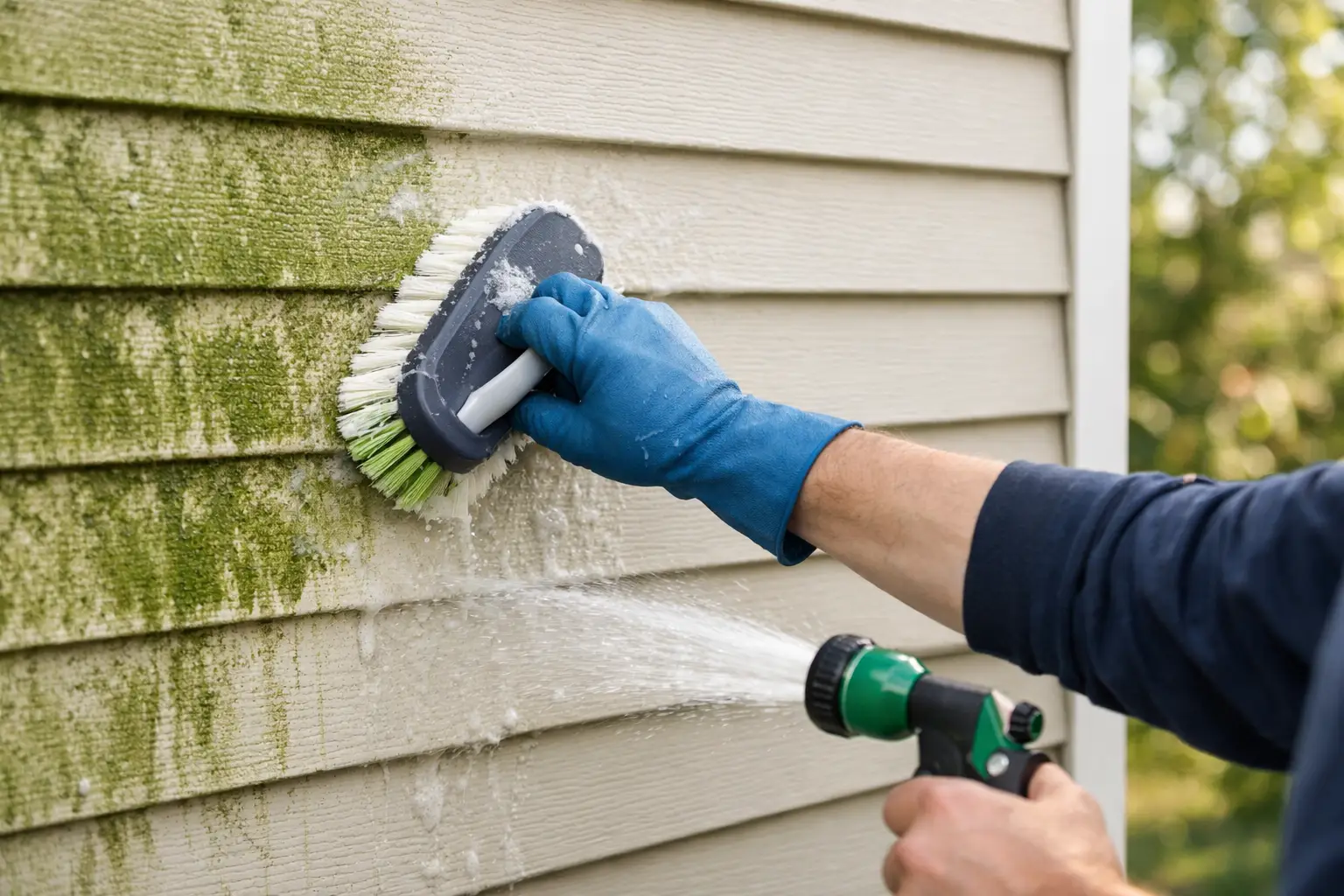
How to Remove Algae From Siding Safely
Green streaks on siding can make a well-kept property look neglected fast. If you’re wondering how to remove algae from siding without causing damage, the right answer depends on the material, the level of buildup, and how aggressive the cleaning method is. The goal is not just to make the house look better today. It is to clean it thoroughly, protect the surface, and keep the problem from coming right back.
Why algae shows up on siding in the first place
Algae thrives where moisture lingers. On many homes, that means the north side, shaded walls, areas under trees, and spots near clogged gutters or poor drainage. In Southern California, people often assume algae is less common because of the dry climate, but shaded pockets, irrigation overspray, and marine moisture can still create the perfect conditions.
Algae also tends to hold onto dust, pollen, and airborne grime. That buildup gives it more to cling to and more nutrients to spread. Once it gets established, a quick rinse usually will not solve it. You need a cleaning method that kills the growth and removes the staining without stripping paint, damaging panels, or forcing water behind the siding.
How to remove algae from siding without damaging it
The safest approach for most homes is soft washing, not high-pressure blasting. This matters because algae is a biological growth problem, not just surface dirt. Pressure alone may knock off the visible layer, but it often leaves spores behind and can scar the siding in the process.
Soft washing uses low pressure with a cleaning solution designed to break down algae, mildew, and organic staining. It gives you a more complete clean and lowers the risk of damage to vinyl, painted surfaces, stucco, fiber cement, and other common siding materials. For homeowners and property managers, that usually means better curb appeal and less chance of paying for repairs after the cleaning is done.
If you are tackling the job yourself, start by identifying the siding type. Vinyl can handle more cleaning flexibility than older painted wood. Stucco needs extra care because aggressive pressure can gouge the surface. Fiber cement is durable, but it still should not be hit with unnecessary force. If you are not sure what your siding can handle, that is where professional service makes a real difference.
What you need before you start
A garden hose, a pump sprayer or soft wash setup, a siding-safe cleaning solution, protective gloves, eye protection, and a soft-bristle brush for stubborn areas are usually enough. You may also want to cover nearby plants and shut windows tightly before applying any cleaner.
Avoid the common mistake of renting a pressure washer and turning it up to full power. That is where homeowners get into trouble. Strong pressure can crack vinyl, etch painted finishes, leave tiger stripes, and drive water into places it should never go.
The basic cleaning process
Wet down nearby landscaping first so plants are less likely to absorb cleaner. Then apply your siding-safe solution from the bottom up to avoid streaking. Let it dwell for the recommended amount of time so it can actually kill the algae instead of just wetting it.
After that, rinse thoroughly with low pressure. In many cases, the algae will come off without much scrubbing. If some areas remain, use a soft brush gently and reapply cleaner as needed. The goal is patience, not force.
This is one of those jobs where technique matters more than brute strength. A rushed approach can leave uneven results or create damage that costs far more than the cleaning itself.
Best cleaner for algae on siding
There is no single magic product for every home, but the cleaner should be made for exterior organic growth, not just grease or dirt. Many siding-safe wash solutions are formulated to break down algae, mold, and mildew while staying compatible with common exterior materials.
Bleach-based mixes are often used because they can kill algae effectively, but they have to be diluted correctly and handled carefully. Too strong, and they can affect paint, landscaping, or nearby surfaces. Too weak, and the algae survives. That balance is one reason many property owners prefer to have the work done professionally.
You should also avoid harsh homemade combinations unless you fully understand what they will do on your specific siding. What works on one surface can stain or weaken another. Results depend on surface age, finish, sun exposure, and previous wear.
When pressure washing is the wrong move
A lot of people search for how to remove algae from siding and assume pressure washing is the answer. Sometimes it can be part of the process, but high pressure is often the wrong tool for residential siding.
On vinyl, too much force can loosen panels or send water behind them. On painted wood, it can peel finish and raise the grain. On stucco, it can leave visible damage that is hard to repair cleanly. Even concrete-adjacent areas can develop splash marks or uneven cleaning if the operator is not careful.
The better question is not whether pressure washing works. It is whether it is the safest and most effective option for that specific surface. In many cases, low-pressure treatment with the right solution gives cleaner, longer-lasting results.
How long does algae removal last?
That depends on the environment around the property. If the wall stays shaded, sprinklers hit it daily, or gutters overflow during rain, algae can return sooner. If moisture issues are corrected and the siding gets more sunlight and airflow, the clean can last much longer.
Regular maintenance helps. That may mean trimming back vegetation, adjusting irrigation heads, cleaning gutters, and washing the siding before buildup gets heavy. Light maintenance is easier and more affordable than waiting until the entire wall is stained green again.
For commercial properties, regular exterior cleaning also helps protect the image of the building. Customers, tenants, and visitors notice stained siding right away. Clean exterior surfaces signal that the property is cared for and professionally maintained.
Signs it is time to call a professional
If the algae covers multiple elevations, the siding is delicate, or you see black staining mixed in with green growth, it is smart to bring in an expert. The same goes for multi-story buildings, older painted surfaces, and properties where runoff needs to be managed carefully.
A professional can identify whether you are dealing with algae only or a mix of algae, mildew, mold, and embedded grime. That matters because each problem responds a little differently. The right crew will also know how to adjust the cleaning method for vinyl, stucco, wood, painted surfaces, and commercial exteriors without treating every wall the same way.
For property owners in the Greater Los Angeles Area, that surface-specific approach is what separates a safe clean from a risky one. Whales Pressure Washing uses cleaning methods built around the material, the buildup, and the result you want - premium curb appeal without unnecessary damage.
Preventing algae from coming back
Removal is only half the job. If you want to slow regrowth, focus on moisture control. Keep gutters flowing properly, direct downspouts away from the home, trim bushes that trap damp air against the wall, and make sure sprinklers are not soaking the siding every morning.
It also helps to clean before the buildup gets severe. Early algae growth is easier to treat and less likely to leave lasting discoloration. Waiting too long usually means more labor, more chemical dwell time, and a higher chance that the stains have worked deeper into the finish.
Some homeowners clean only when the house starts to look bad from the street. A better strategy is to think in terms of protection. Siding is an exposed exterior surface, and regular washing helps it last longer and look sharper between larger maintenance projects.
A cleaner exterior starts with the right method
If you want the house to look fresh again, the answer to how to remove algae from siding is simple in principle but important in execution: use a siding-safe cleaner, use low pressure, and match the method to the surface. Fast, aggressive cleaning can create bigger problems than the algae ever did.
A clean exterior does more than improve appearance. It protects the finish, supports property value, and gives you confidence that the job was done right. If the staining is spreading or you want a no-stress solution with professional results, getting an expert assessment is often the smartest next step.
