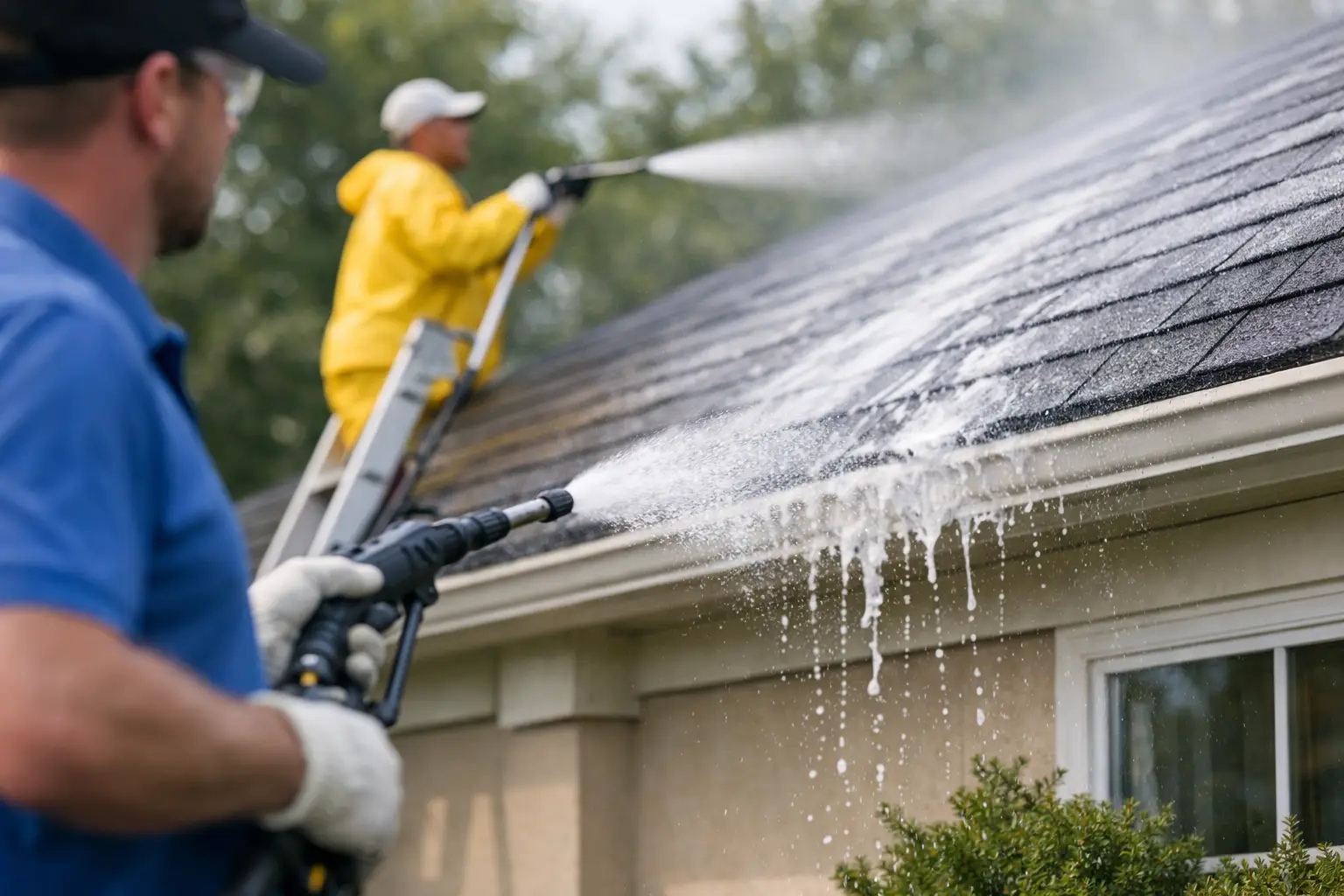
Is Soft Washing Safe for Your Property?
If you have ever watched black roof streaks, green algae, or dingy siding disappear after a cleaning, the first question that usually follows is simple - is soft washing safe? It is, when the method matches the surface and the job is handled correctly. Soft washing was built for exterior materials that need cleaning power without the force of traditional high-pressure washing.
That matters in Greater Los Angeles, where sun, dust, traffic film, moisture, and organic growth can leave homes and commercial buildings looking worn out fast. A strong blast of pressure is not always the right answer. In many cases, it is the wrong one. Soft washing gives property owners a safer way to remove buildup while protecting paint, roofing, stucco, and other finished surfaces.
What soft washing actually does
Soft washing uses low water pressure combined with specialized cleaning solutions to break down algae, mildew, mold, bacteria, and grime. Instead of relying on force to strip contamination away, it treats the root of the buildup so it can be rinsed off more gently.
That is the key difference. Pressure washing depends heavily on water force. Soft washing depends on chemistry, dwell time, surface knowledge, and proper rinsing. When done right, it cleans thoroughly without the risk that comes from blasting delicate materials at high pressure.
For many residential and commercial exteriors, that is exactly what you want. You are not trying to punish the surface into looking clean. You are trying to restore it safely and keep it looking better longer.
Is soft washing safe on all surfaces?
Soft washing is safe for many common exterior surfaces, but not every job should be treated the same way. The safer answer is this: soft washing is safe when the cleaning mix, application method, and rinse process are adjusted for the specific material.
A roof with algae staining, painted wood siding, vinyl siding, stucco, exterior trim, fences, and some commercial facades are often strong candidates for soft washing. These surfaces can be damaged by excessive pressure, so a low-pressure approach makes sense.
Even then, there is no one-size-fits-all setting. Older paint may need a gentler touch. Oxidized siding may require a different approach than algae-covered stucco. A heavily soiled dumpster pad is not cleaned the same way as a tile roof. Safe service comes from knowing the difference.
Where soft washing is usually the safer choice
Roofs are one of the best examples. Asphalt shingles should not be aggressively pressure washed because the force can dislodge granules and shorten the roof’s lifespan. Soft washing is commonly used instead because it removes the algae and staining without that level of mechanical damage.
Stucco is another surface where low pressure matters. Too much force can leave visible marks, drive water into cracks, or damage weak areas. Soft washing helps clean the surface while reducing those risks.
Painted siding, vinyl siding, soffits, fascia, exterior trim, and screened enclosures also benefit from a gentler method. These are exactly the areas where a customer wants clean, bright results without chipped paint, water intrusion, or surface scarring.
What can make soft washing unsafe?
The method is safe. Poor execution is not.
Most problems come from using the wrong chemical strength, allowing solution to dry on the surface, failing to protect landscaping, or treating every material as if it responds the same way. Inexperienced crews may also overlook runoff control, nearby electrical fixtures, open windows, or fragile finishes.
There is also a difference between safe for the surface and safe for the full property. A professional soft wash should account for plants, pets, outdoor furniture, painted finishes, and surrounding hardscapes. That means pre-wetting nearby landscaping, controlling overspray, applying the right mix, and rinsing thoroughly.
When those steps are skipped, the risk goes up. That is why property owners should not judge soft washing by the label alone. The real question is who is doing it and how carefully they work.
Is soft washing safe for plants, pets, and people?
This is one of the most common concerns, and it is a fair one. Soft washing solutions are designed to kill organic growth, so they need to be handled responsibly. With proper dilution, application, and rinsing procedures, trained professionals can clean effectively while minimizing risk to surrounding areas.
Plants should be pre-soaked and rinsed after treatment. Sensitive landscaping may need extra protection depending on heat, wind, and the location of runoff. Pets and children should be kept away from the work area until the job is finished and surfaces are properly rinsed. That is standard common-sense safety, not a red flag.
A dependable contractor will explain the prep clearly instead of brushing the question aside. If a company cannot tell you how they protect landscaping or manage overspray, that is worth paying attention to.
Why soft washing often lasts longer than pressure alone
One reason homeowners ask if soft washing is safe is because they assume low pressure must mean weaker results. In practice, soft washing often gives a more complete clean because it targets the source of biological staining.
If you only use water pressure on algae, mold, or mildew, you may remove the visible layer while leaving spores behind. That can lead to quicker regrowth. Soft washing helps kill that organic contamination, which often means surfaces stay cleaner longer.
That longer-lasting result matters when you are trying to protect curb appeal, reduce repeat buildup, and avoid unnecessary wear from frequent cleanings. A safer method is even better when it also improves the staying power of the job.
Signs a contractor knows how to soft wash safely
If you are hiring a pro, ask a few direct questions. A qualified company should be able to explain what surfaces they soft wash, what precautions they take, and how they decide between pressure washing and soft washing.
They should also be licensed and insured, especially when working on roofs, multi-surface properties, or commercial buildings. Clear communication matters here. Safe exterior cleaning is not just about equipment. It is about process, training, and accountability.
You also want someone who does not force one method on every project. Good contractors inspect first, then recommend the right cleaning approach for the material, the staining, and the condition of the property. That surface-specific mindset is where safety and results come together.
Is soft washing safe for roofs, siding, and commercial buildings?
In most cases, yes - and often safer than relying on high pressure alone. Roofs, siding, stucco, painted exteriors, storefronts, apartment buildings, and HOA common areas can all benefit from a controlled, low-pressure cleaning method.
Commercial properties especially benefit from this approach because appearance matters, but so does minimizing disruption and avoiding damage claims. Property managers want clean walkways, walls, signage areas, and building exteriors without creating unnecessary maintenance issues. Soft washing can be a smart fit when the work is planned carefully and executed by experienced professionals.
For homeowners, the value is just as clear. You get a cleaner exterior, stronger curb appeal, and less risk to vulnerable finishes. That is a better outcome than choosing the most aggressive method just because it sounds powerful.
The bottom line on soft washing safety
Soft washing is one of the safest and most effective ways to clean many exterior surfaces, but the safety comes from using the right method in the right hands. The surface matters. The cleaning mix matters. The prep, rinse, and attention to detail matter.
That is why experienced companies like Whales Pressure Washing focus on surface-specific cleaning instead of one aggressive approach for every job. Property owners do not need more force than necessary. They need the right process, clear communication, and results they can trust.
If your roof, siding, stucco, or building exterior is covered in stains, algae, or grime, the smartest next step is not guessing. It is getting a professional assessment and choosing a cleaning method that restores the surface without putting it at risk.
