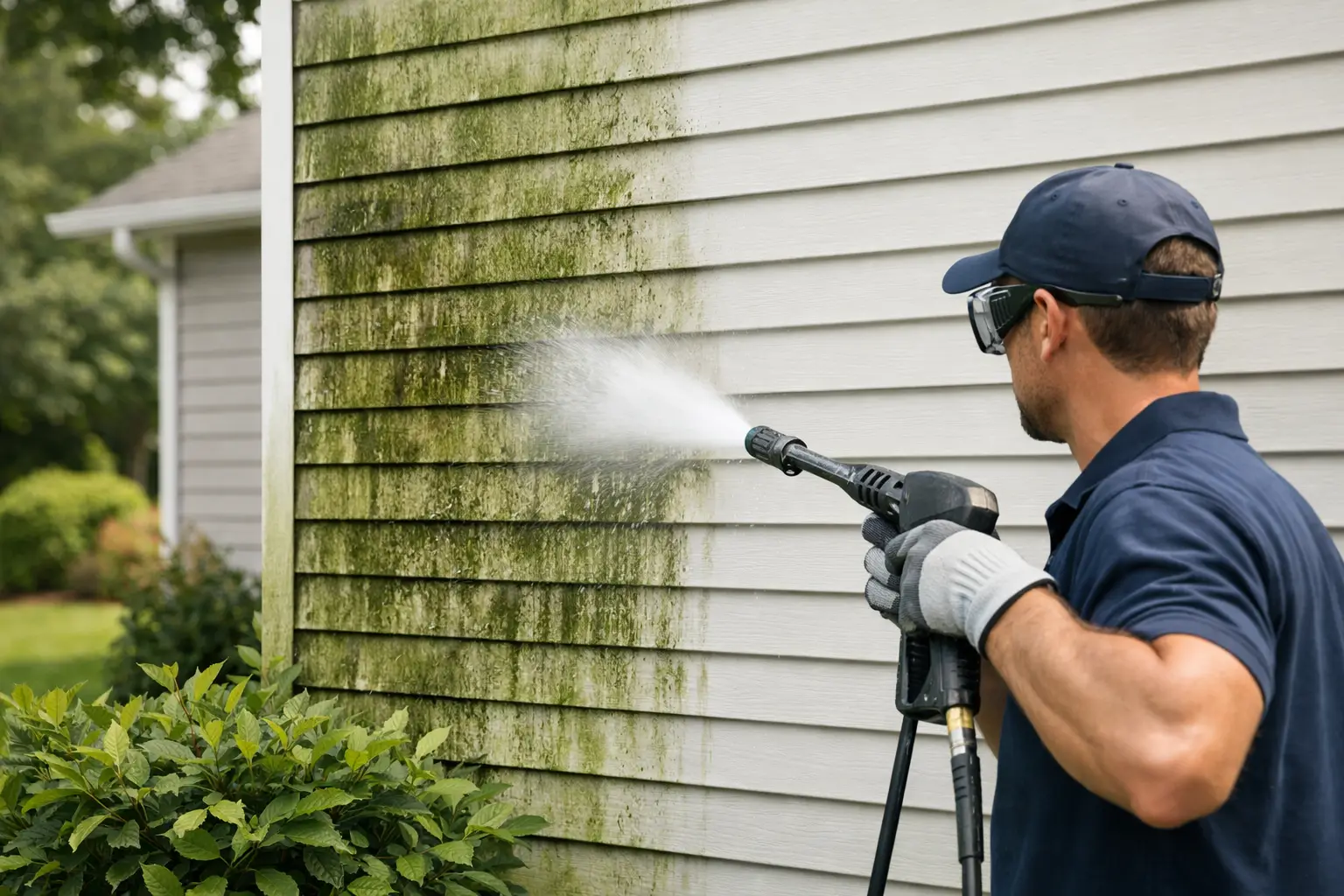
Mold Algae Exterior Removal Done Right
That green film on siding, the black streaks on a roof, and the dark patches creeping across concrete are not just cosmetic. Mold algae exterior removal matters because that buildup can make a property look neglected, create slippery surfaces, and slowly wear down exterior materials if it is left alone too long. In a place like Greater Los Angeles, where dust, shade, irrigation runoff, and seasonal moisture all play a role, exterior growth shows up faster than many owners expect.
For homeowners, it usually starts with curb appeal. For property managers and commercial owners, it quickly becomes a maintenance and image issue. Either way, the real question is not whether the growth should be cleaned. It is how to remove it safely without etching concrete, stripping paint, or damaging shingles, stucco, wood, or landscaping.
Why mold and algae keep coming back outside
Exterior surfaces deal with more than rain. Sprinkler overspray, clogged gutters, tree shade, trapped humidity, and airborne debris all create the kind of damp, dirty conditions mold and algae like. Algae often shows up as green growth on siding, fences, patios, and north-facing walls. Mold tends to appear in darker patches, especially where moisture lingers. Mildew can look powdery or spotty and often gets grouped in with the same problem.
The reason this matters is simple. Different growths may look similar from the ground, but they do not always respond the same way to cleaning. More importantly, the surface underneath matters just as much as the stain itself. Concrete can usually handle more aggressive washing than painted wood. Roof shingles need a completely different approach than a block wall or driveway.
That is where many property owners get into trouble. They rent a pressure washer, use too much force, and end up blasting away surface granules, forcing water behind siding, or leaving visible cleaning lines. The stain may lighten for a week, but the surface can be worse off than before.
The safest approach to mold algae exterior removal
The best cleaning method depends on the surface, the severity of the buildup, and how long it has been there. There is no one-size-fits-all setting for exterior cleaning, even though a lot of people treat it that way.
For more delicate materials like stucco, painted siding, vinyl siding, roofs, and certain wood surfaces, soft washing is usually the safer choice. Soft washing relies more on proper cleaning solutions and controlled rinsing than brute pressure. That allows the mold and algae to be treated at the source and rinsed away without the unnecessary risk that comes with high pressure.
For harder surfaces like concrete driveways, walkways, retaining walls, and some masonry, pressure washing can be effective when used correctly. Even then, more pressure is not always better. Old concrete, decorative finishes, mortar joints, and stained surfaces can all react differently. A trained technician adjusts the method to the material instead of forcing every job through the same process.
This is one of the biggest differences between a careful exterior cleaning company and a rushed wash job. Good results come from matching the method to the surface.
Where exterior growth causes the most problems
Some problem areas are obvious, while others are easy to overlook until the buildup is severe.
Siding and stucco
Siding often collects algae and mildew on shaded sides of the home or around poorly drained areas. Stucco is especially common across Southern California, and it needs a controlled approach. Too much pressure can scar the finish or drive moisture into cracks. When cleaned properly, these surfaces brighten up fast and the whole property looks better maintained.
Roofs
Dark roof streaks are a common complaint, especially under tree cover or in damp microclimates. Those streaks are often algae, not just dirt. Roof cleaning is not a pressure washing job in most cases. Asphalt shingles can be damaged by high pressure, which is why soft washing is generally the right method. The goal is to remove the growth while protecting the roof system.
Concrete and pavers
Driveways, pool decks, patios, and walkways can hold moisture and organic buildup longer than people realize. That green layer can become slick, especially in shaded zones. Mold algae exterior removal on concrete is about more than appearance. It also improves safety and helps restore a cleaner, brighter finish.
Fences, gates, and retaining walls
Wood fences, vinyl fencing, and masonry walls all collect buildup differently. Wood can be especially tricky because too much pressure can leave marks or raise the grain. The right cleaning process restores the look of the material without creating a new repair issue.
Why DIY removal often falls short
A store-bought cleaner and a rental machine can work for very small, lightly affected areas. But once buildup spreads across larger sections of a home or commercial property, DIY efforts usually run into the same issues.
First, the visible stain is not always the full problem. Surface growth can cling deep into porous materials, so a quick rinse may only remove the top layer. Second, the wrong nozzle, wrong cleaner, or wrong pressure setting can damage the exact surface you are trying to improve. Third, most owners do not want to spend an entire weekend testing methods, moving furniture, protecting plants, and dealing with uneven results.
There is also the safety factor. Roof areas, second-story siding, steep walkways, and slippery concrete create real risk. Professional service is not just about convenience. It is about getting premium results with less guesswork and less chance of damage.
What professional cleaning should include
When you hire a company for exterior growth removal, you want more than someone who shows up with equipment. You want a process that gives you confidence from start to finish.
A professional assessment should identify the type of surface, the likely cause of the buildup, and the right method to remove it. Sensitive areas like windows, painted trim, landscaping, and nearby fixtures should be accounted for before cleaning starts. The cleaning itself should be controlled, surface-specific, and thorough enough to address the growth rather than just rinse the area.
Clear communication matters too. Property owners want to know what is being cleaned, what results to expect, and whether any heavy staining may need repeat treatment. Licensed and insured service also matters, especially for commercial properties and larger residential jobs. It shows that the company takes the work seriously and operates with accountability.
That is the standard customers expect from trusted local providers like Whales Pressure Washing. The job should feel simple, professional, and worth the investment.
How to slow regrowth after cleaning
Exterior cleaning is not a one-time fix forever. Some properties stay clean longer than others, and that usually comes down to environment.
If sprinklers constantly hit the same wall, algae will likely return sooner. If trees block sunlight and drop debris on a roof, moisture and organic matter will keep feeding growth. If gutters overflow along stucco or siding, staining tends to come back in those same sections.
Regular maintenance helps. That may mean adjusting irrigation, trimming back vegetation, improving drainage, or scheduling cleanings before buildup gets heavy. Light maintenance at the right interval is usually more cost-effective than waiting until every surface looks stained again.
For commercial properties, this matters even more. Storefronts, walkways, dumpster pads, and entry areas affect first impressions. For homes, the payoff is curb appeal, surface protection, and avoiding the worn, neglected look that algae and mold create surprisingly fast.
When it is time to schedule service
If you are seeing green patches, black streaks, slippery concrete, or dark staining that keeps spreading, it is time to deal with it before the job gets bigger. The longer mold and algae sit on exterior surfaces, the more stubborn the cleanup can become. In some cases, what starts as a mild appearance issue turns into a maintenance headache because the wrong cleaning method was used or the buildup was ignored too long.
The right service should give you a fast quote, a clear plan, and confidence that the surface will be cleaned safely. That is what most property owners want - not a complicated pitch, just dependable results and a crew that knows how to clean each material the right way.
A cleaner exterior does more than make a property look better. It shows that the home or building is cared for, protected, and ready to make the right impression.
